Some nights at a karaoke venue run themselves. Other nights, you're watching your bar staff reorganize the garnish tray for the third time. Inconsistent foot traffic is one of the most frustrating parts of running an entertainment venue, and most of the usual solutions (paid ads, social media posts, happy hour specials) only go so far.
Meetup is one channel that far too few venue owners are using, and for the right karaoke setup, it can become a surprisingly steady source of new customers.
This article breaks down how to use Meetup effectively to drive foot traffic, especially during off-peak hours, while building long-term relationships with new audiences.
Table of contents:
- Meetup is growing, and your venue can benefit from it
- The simplest move: reach out to organizers directly
- Turn your Tuesday into someone's favourite night out
- Bring in new audiences on weekends
- Match the event format to your karaoke setup
- Use pricing and promotions strategically
- Layer in a theme to give the night a hook
- Build long-term relationships, not one-off events
- Promote your Meetup presence across channels
- A low-risk strategy with long-term upside
Meetup is growing, and your venue can benefit from it
Meetup has been around since 2002, but its relevance has grown sharply in recent years as people seek in-person experiences after years of digital-first interaction. Originally built to help people connect around shared interests, Meetup has evolved into a powerful tool for community building, networking, and social discovery.
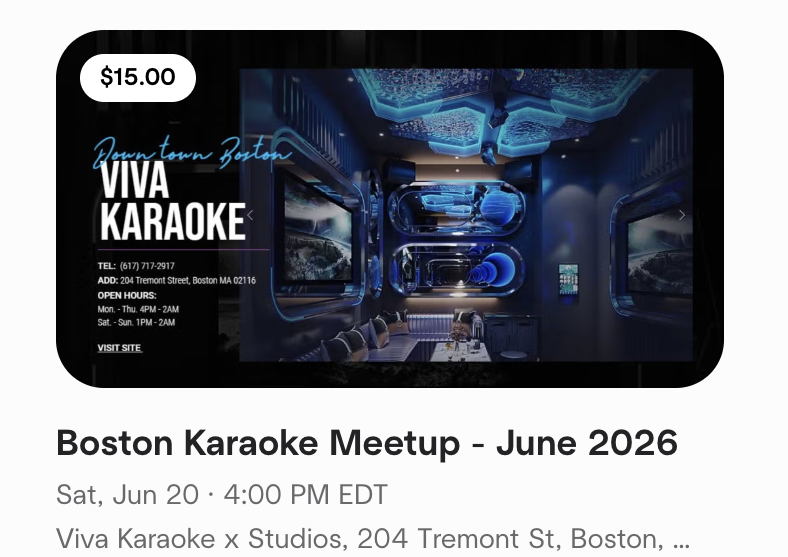
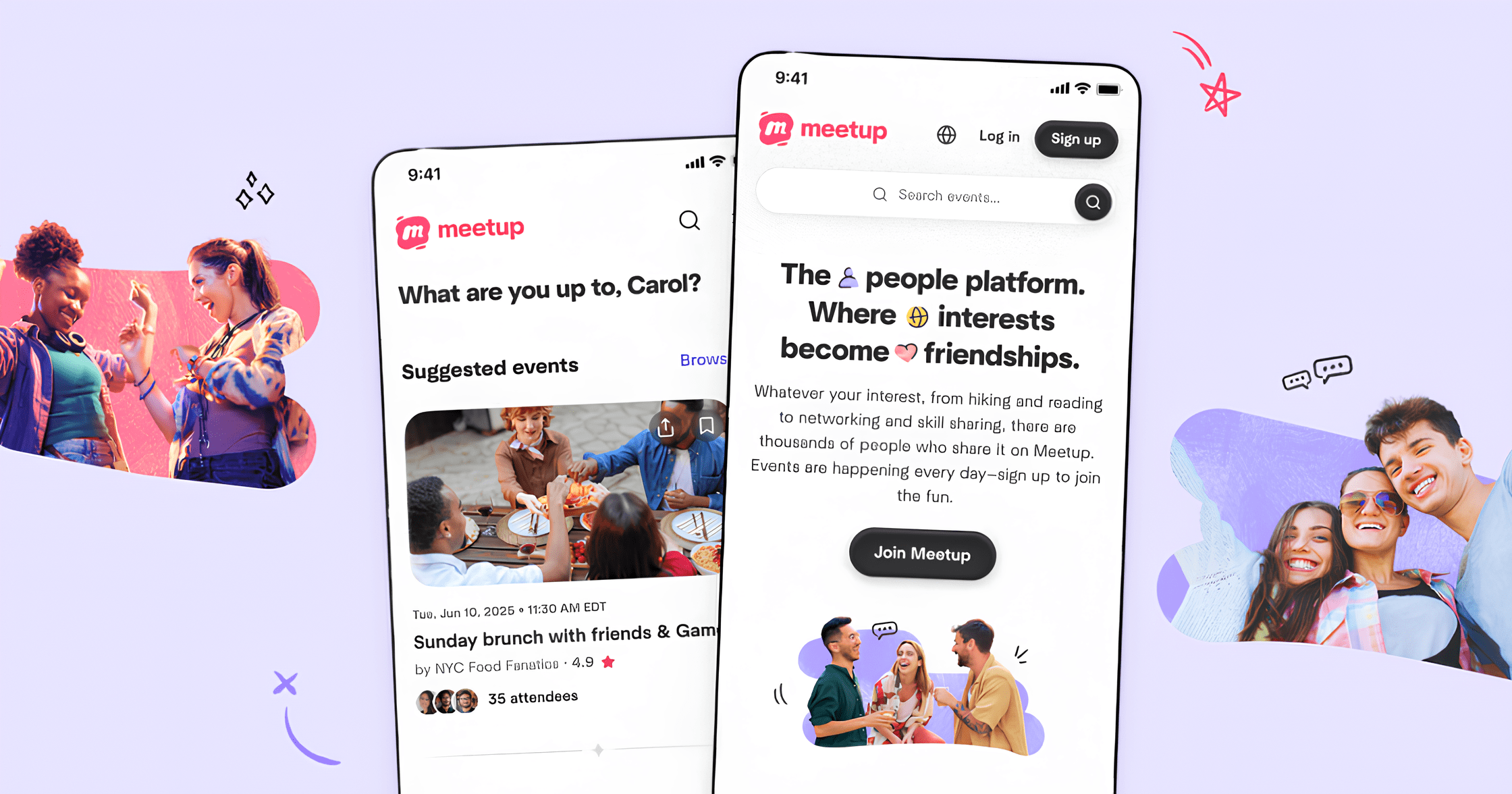
The platform now hosts over 300,000 groups across more than 10,000 cities worldwide, and boasts more than 60 million registered users organizing, searching, joining, and attending both in-person and virtual events.
The largest age group of visitors to the platform are 25 to 34 year olds, a demographic that is actively looking for new social experiences and, crucially, new places to spend an evening.
As Meetup user Brianna shares:
I met six incredible women who shared interesting stories. We had fantastic discussions about our lives, travels, careers, and interests. The venue was beautiful and cozy, a perfect backdrop to have stimulating conversations while noshing on some tasty bites. This successful first event inspired me to attend another Meetup event with this Girls Night Out group soon—I’m also excited to join groups for my other interests and attend their events.
For karaoke venues, this creates a clear opportunity: tap into existing communities instead of trying to build one from scratch. These are groups of people who want to be somewhere fun, who are open to new environments, and who often show up ready to participate rather than stand in the corner.
It aligns perfectly with what karaoke already offers:
- A social environment
- A shared activity (singing)
- Low barrier to participation
- Built-in entertainment
Instead of relying only on walk-ins or traditional marketing, Meetup allows you to plug into existing demand.
The simplest move: reach out to organizers directly
One of the most effective strategies is not creating your own Meetup group immediately, but partnering with existing organizers. This is where most venue owners can start seeing results fast.
How it works
- Browse Meetup in your city and look for active groups: social groups, expat communities, language exchange clubs, LGBTQ+ groups, 30s and 40s social circles, hobby groups, or anything that meets regularly for a fun night out.
- Identify organizers who host regular events.
- Contact the organizer directly. Keep it simple and straightforward. Let them know you run a karaoke venue, that you'd love to host their next event, and what you can offer them.
Many organizers are constantly looking for reliable venues. If you can provide space, equipment, and a smooth experience, you become a valuable partner.
What to offer
When you pitch your space, think about what removes friction for the organizer and creates a great experience for their members:
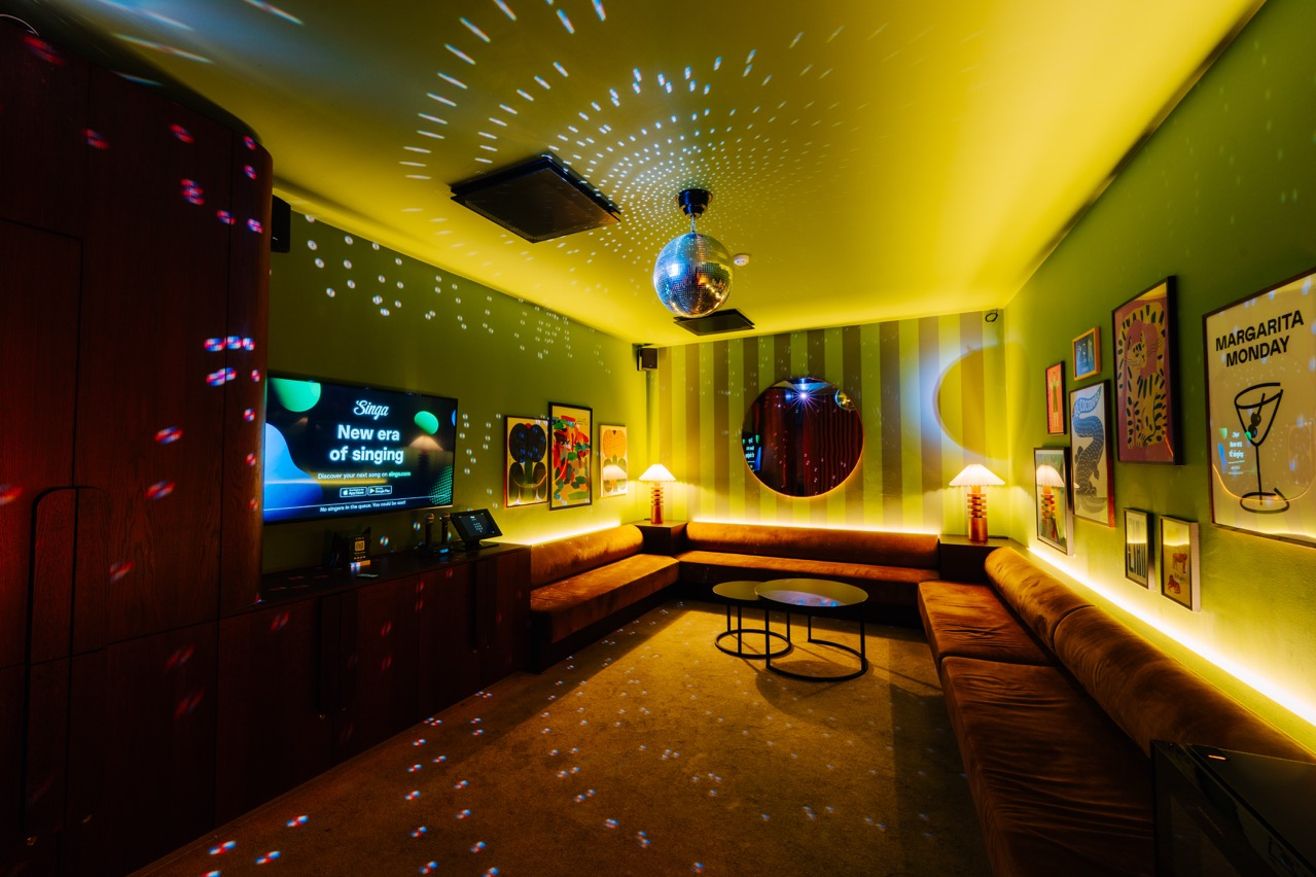
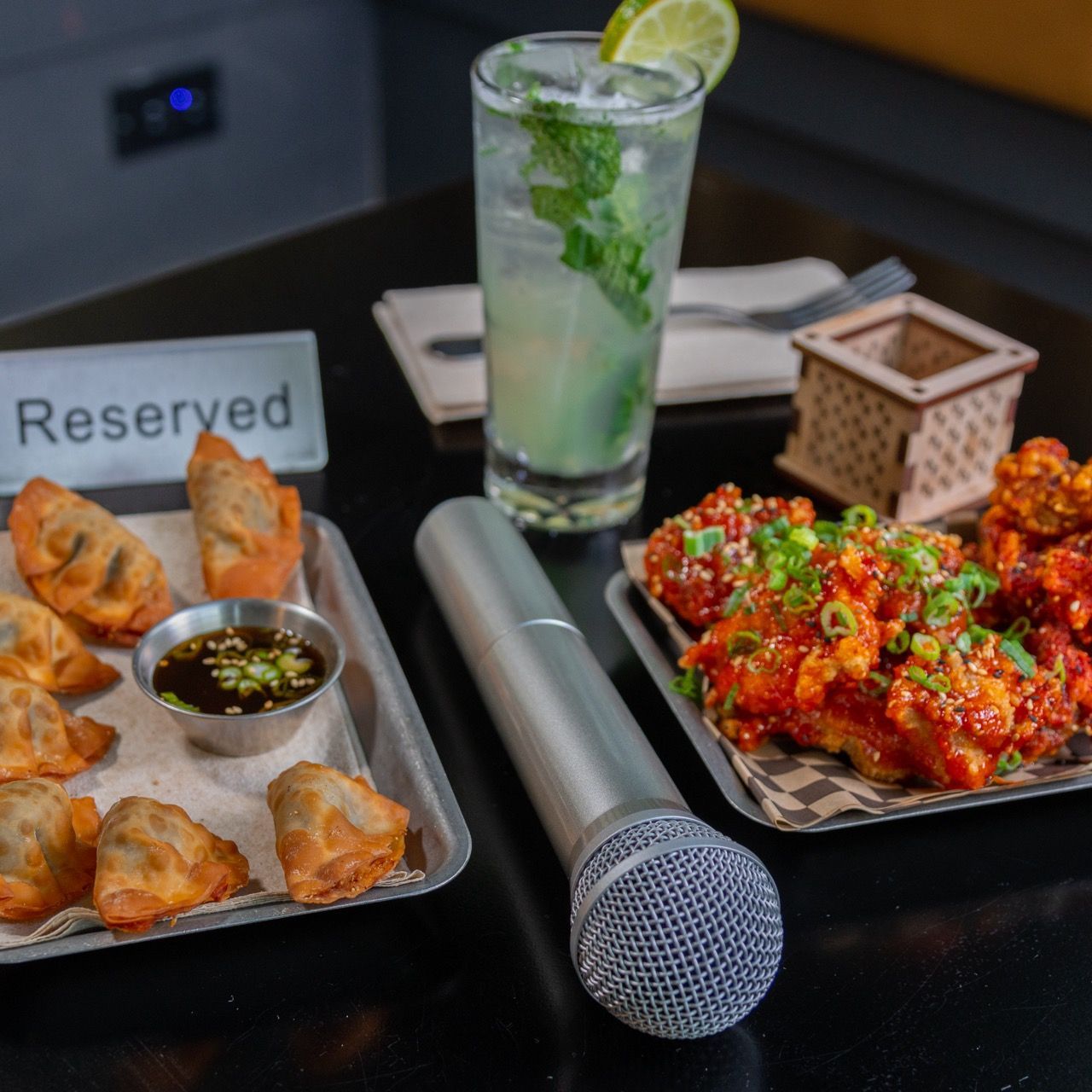
- A reserved area or private room. If you have a karaoke area that typically sits empty on a Tuesday or Wednesday, offer it exclusively to the group for a set window of time. Organizers love being able to tell their members they have a dedicated space.
- A no-pressure format. Not every group member will want to sing. Framing the event as a social night at a karaoke venue, rather than a karaoke performance night, lowers the barrier for groups that might otherwise hesitate.
- Optional perks like drink specials. A simple welcome drink, a discounted drinks package, or a round of shots on arrival can be the detail that makes an organizer choose your venue over another. It also gives them something concrete to promote in their event listing.
- The option to hire a karaoke host. A karaoke jockey keeps the energy up, manages the song queue, and makes sure no one's left standing awkwardly at the mic. For larger groups meeting for the first time, having someone guide the session can turn a hesitant crowd into an enthusiastic one.
- Flexible scheduling. Particularly on quieter nights, being willing to work around what suits the group makes your venue an easier yes.
Make it easy for organizers
Organizers are more likely to return if their event runs smoothly and attendees have a great experience.
- Assign a staff member as the dedicated point of contact for the group so the organizer isn't left figuring things out alone.
- Put together a ready-made event description they can copy. Write a short, engaging blurb about your venue that the organizer can paste directly into their Meetup listing. The easier you make it to promote the event, the more likely they are to do it well and do it again.
- Promoting the event through your own social channels beforehand is a small gesture that organizers genuinely appreciate.
- Follow up. After the night, send the organizer a short message thanking them, asking how it went, and letting them know you'd love to host the group again. Most venues never do this, and it's the single step most likely to turn a one-time booking into a recurring one.
Get this right and the benefits compound. You're securing bookings in advance on nights that would otherwise be unpredictable, and building a relationship with an organizer who has a ready-made audience and is always looking for their next venue.

Turn your Tuesday into someone's favourite night out
Off nights are often underutilized, but they are ideal for Meetup events.
The beauty of targeting off-peak nights specifically is that you're filling a gap rather than competing with your existing crowd. Instead of competing for peak-time revenue, you can bring in entirely new audiences, generate consistent baseline traffic, and turn first-time visitors into repeat customers.
For example, hosting a weekly “Meetup karaoke social” on Tuesdays can:
- Build a recurring crowd
- Increase bar revenue on a slow night
- Create word-of-mouth marketing
And importantly, Meetup attendees come in groups, leading to higher spend per booking.

Bring in new audiences on weekends
That said, don't rule out weekends entirely. While off nights are the easiest entry point, Meetup can also be used to expand your weekend crowd.
For example:
- Partner with niche groups (e.g., 90s music fans, expats, startup communities)
- Host pre-booked Meetup sessions before peak hours
- Use these events as a funnel into your regular weekend flow
This helps diversify your audience and introduce your venue to people who might not have discovered it otherwise.
Match the event format to your karaoke setup
Meetup events can work across different karaoke formats.
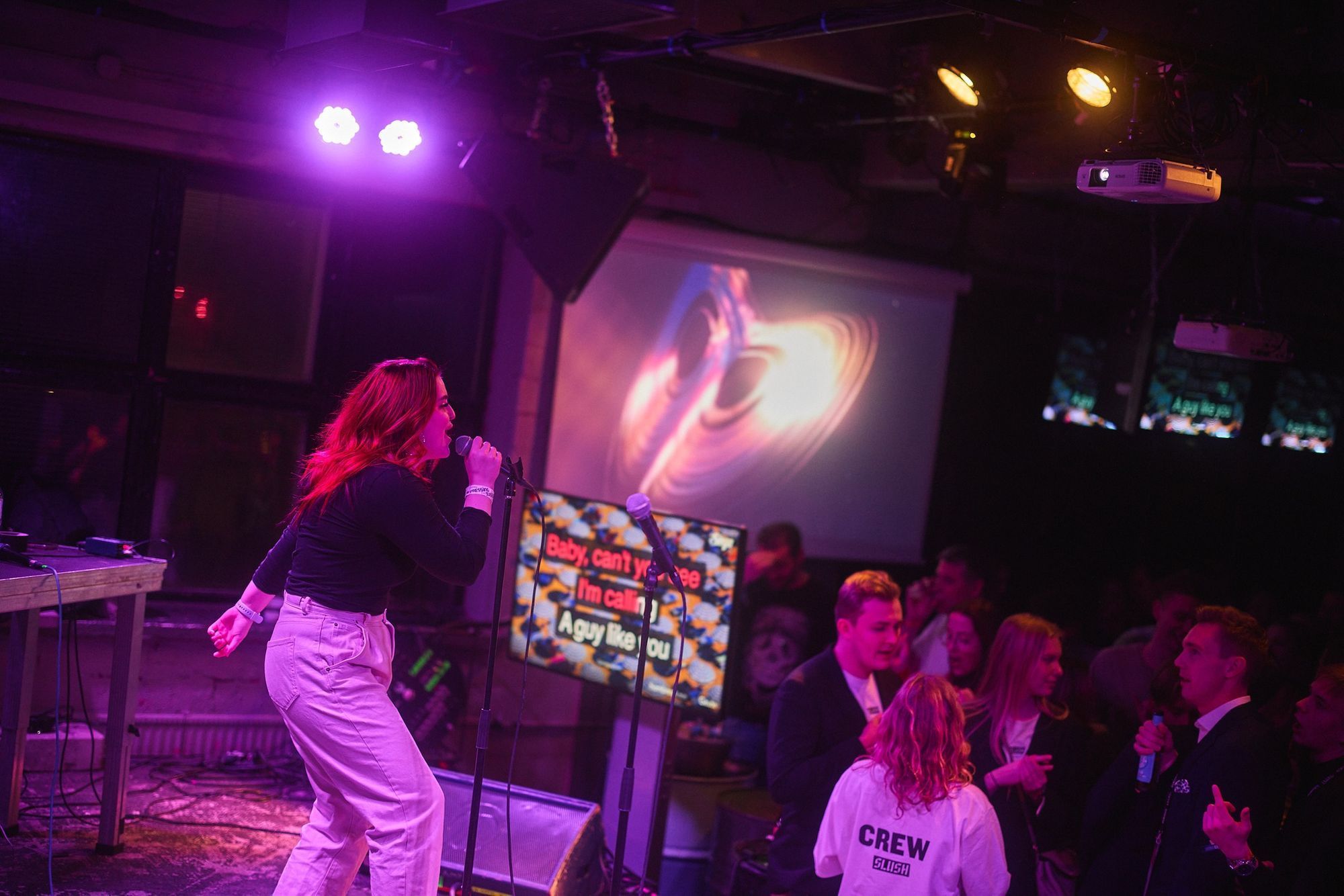
Stage karaoke
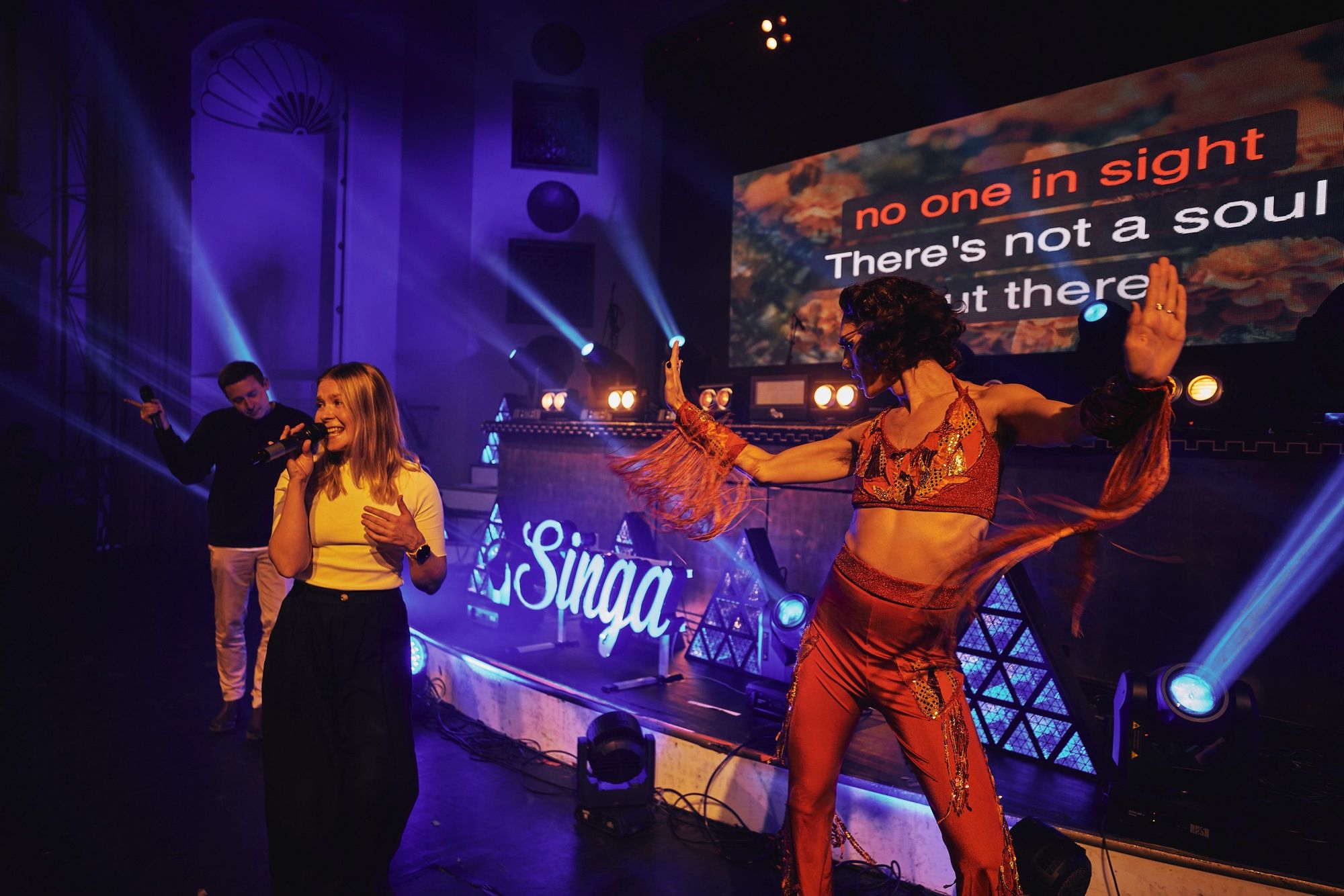
Stage karaoke (also known as hosted karaoke) venues are a natural fit for larger social groups. The shared-stage experience is inherently communal, and a group of new acquaintances cheering each other on at the mic is exactly the energy Meetup groups tend to generate.
Ideal for:
- Social and networking groups
- Larger gatherings
- High-energy events
Stage karaoke works best when a host actively manages the flow and engages the audience.
Self-service karaoke
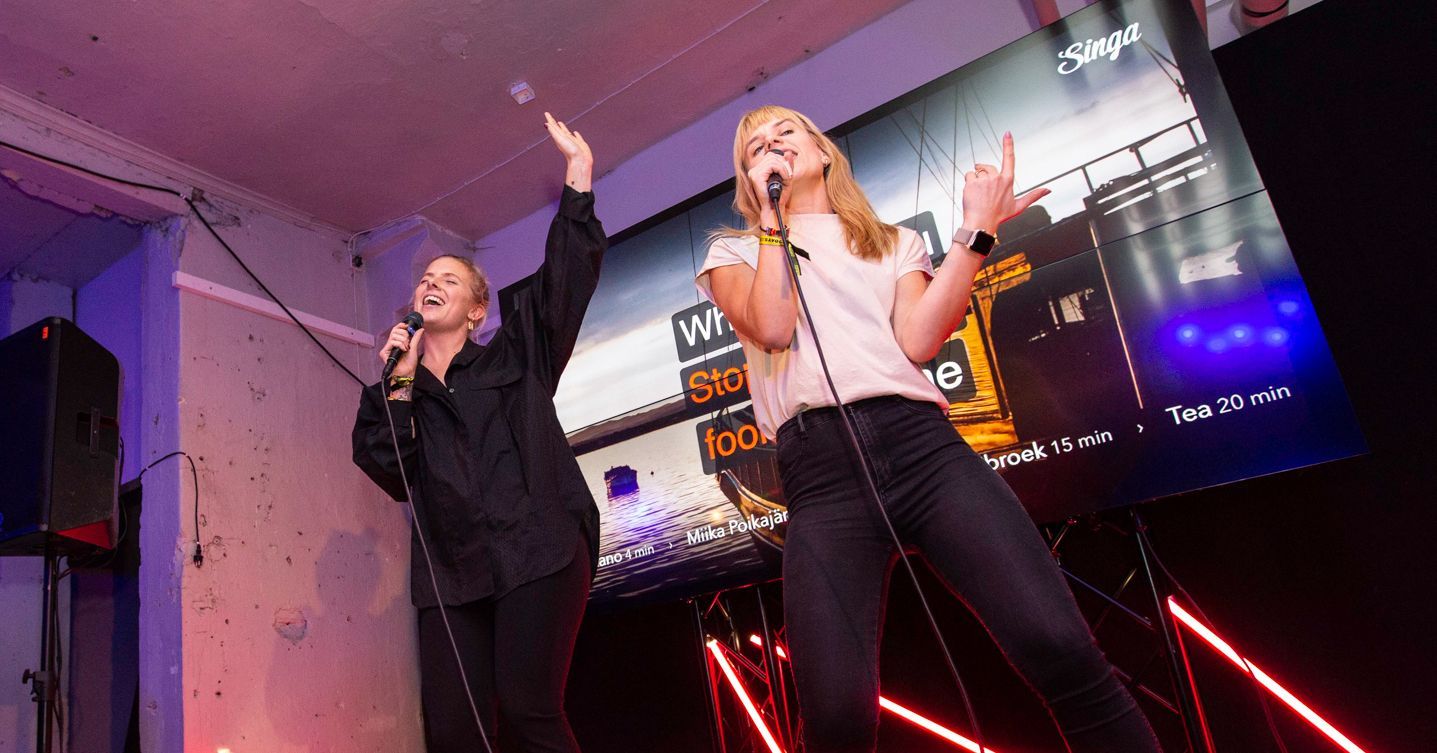
Self-service karaoke setups work well too, as guests can engage at their own pace without any pressure to perform in front of a larger crowd. This tends to suit groups that skew slightly more introverted or are meeting for the first time.
Perfect for:
- Casual, low-pressure environments
- First-time singers
- Smaller groups that want flexibility
This format works well for Meetup attendees who may feel hesitant about performing on stage.
Private karaoke rooms
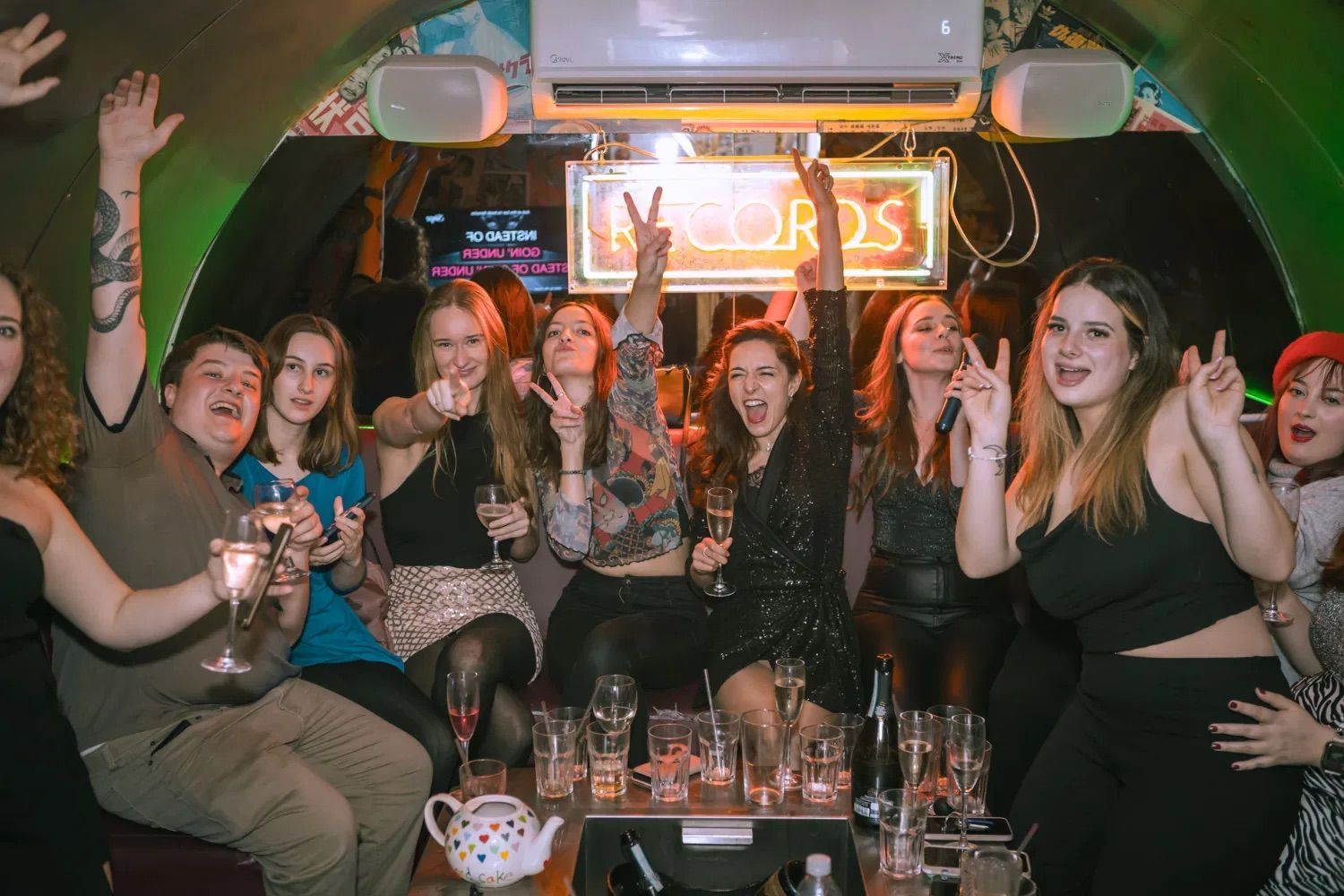
Private karaoke rooms are ideal for smaller, more tight-knit Meetup groups. If you have rooms that seat 6-10 or 10-20 people, offering them to an organizer for an exclusive booking during off hours is a compelling offer. It feels premium, it's easy to manage, and the group gets a genuinely private experience.
A strong option if you have:
- Mid-sized and large rooms
- Off-peak availability
Offering exclusive access at a discounted rate during off-peak hours is a straightforward value proposition that appeals to a wide range of group types. Corporate teams planning a social, language exchange groups that benefit from a more focused setting, and birthday gatherings where the occasion calls for something a little more considered are all natural fits.
How to make your karaoke rooms stand out:
- Speed friending events. A growing Meetup format where attendees rotate and meet multiple people in short bursts, similar to speed dating but purely social. A private room is an ideal setting and it's a format that karaoke can follow naturally once the structured part ends.
- Recurring loyalty rates. If a group books your private room regularly, offer a loyalty rate for repeat bookings. An organizer who locks in a monthly slot is worth far more than a one-time booking.
- Food and drink packages. Private room bookings are a natural upsell opportunity. A simple drinks package or a sharing food platter bundled into the booking makes the offer feel more complete and increases average spend without much extra effort.
Use pricing and promotions strategically
Meetup groups respond well to clear, simple incentives, and the good news is that the offers don't need to be generous to be effective. The goal in all of these cases is simply to reduce the friction between "thinking about it" and "I'm going." A few options that tend to work well:
- A first drink on the house
- Discounted entry for Meetup attendees
- A group bundle that includes a reserved table
- A happy hour extension tied to the event window
The offer gets them through the door. The experience keeps them at the bar.
Layer in a theme to give the night a hook
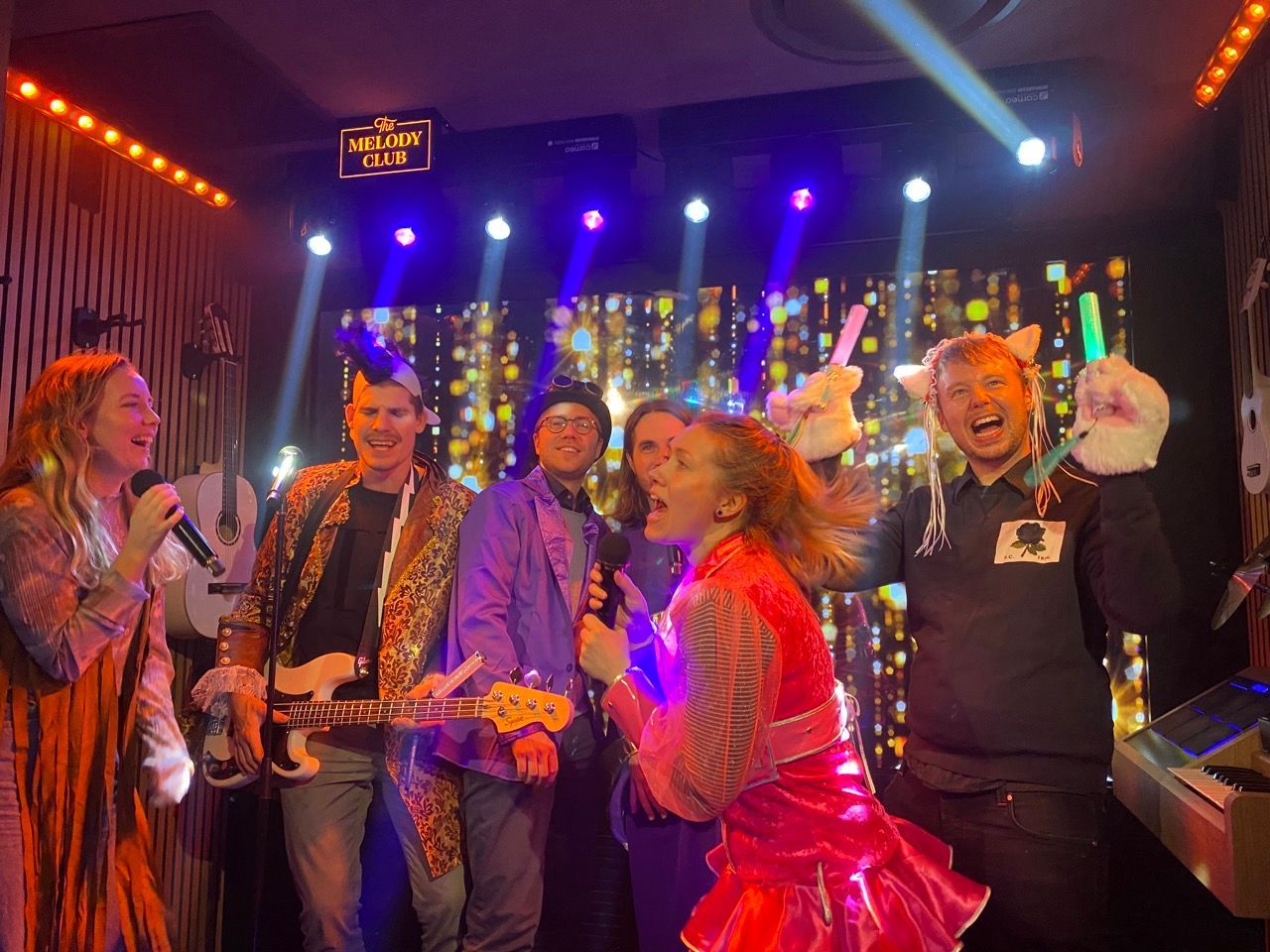
One way to make your events stand out is by combining Meetup with themed experiences. A themed night adds the event a distinct identity, which makes it easier for organizers to promote.
Some popular theme ideas:
- Decade nights (80s, 90s, 2000s hits only)
- Genre nights (pop anthems, rock classics, Disney songs)
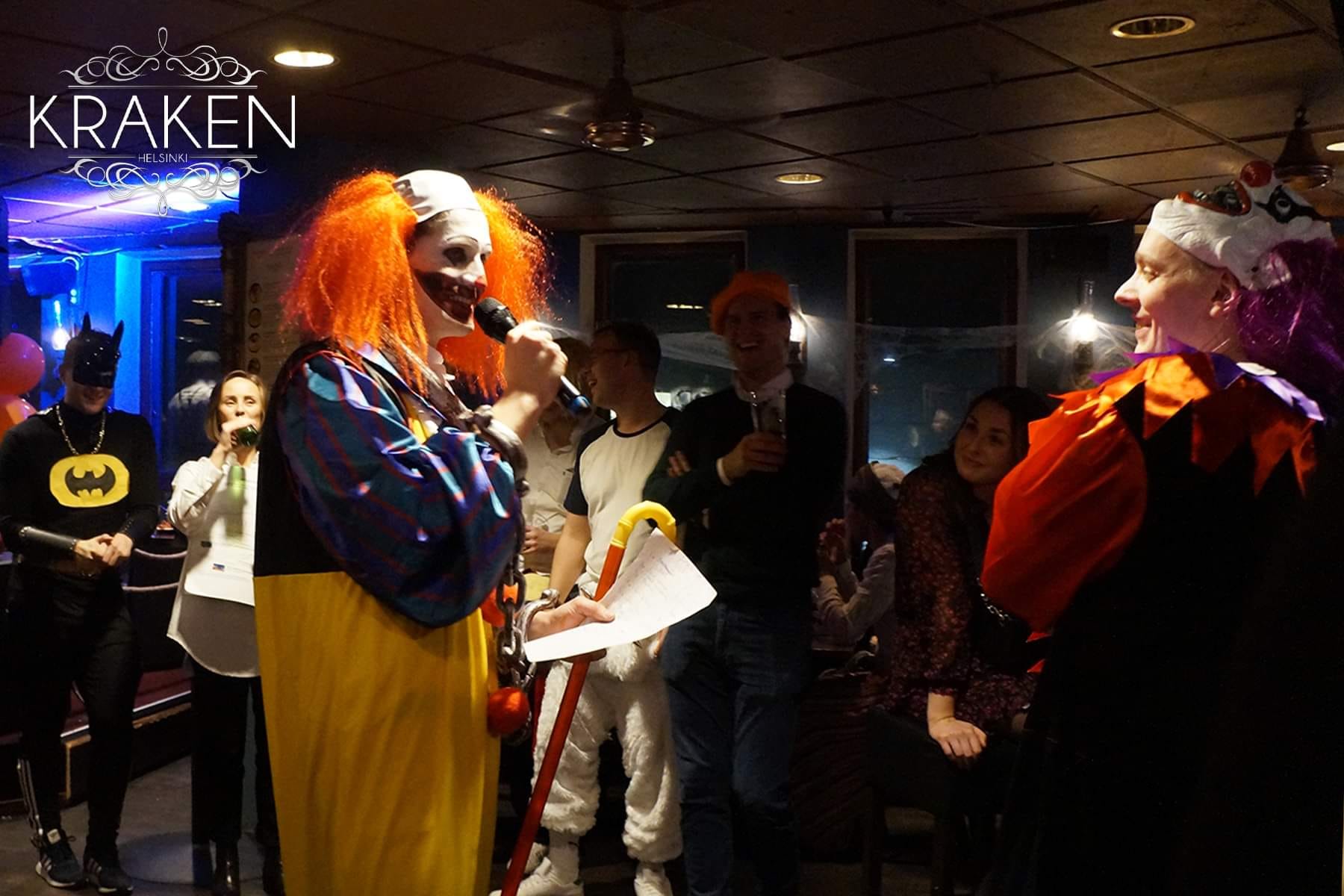
- Costume karaoke tied to a seasonal calendar
- Competitive formats with a friendly leaderboard or audience vote
The opportunities are endless. You can collaborate with organizers to co-create the themes, ensuring they match their audience’s interests.
A well-chosen theme makes the organizer's job easier and yours more rewarding. It gives the event a searchable identity on Meetup, lowers the decision barrier for people browsing what to do that night, and creates enough of an experience that attendees want to come back for the next one.
The social media side is worth noting too. Themed nights get photographed, shared, and tagged in a way that a standard karaoke night often doesn't, putting your venue in front of the organizer's entire follower and member base without any additional spend on your part.
Build long-term relationships, not one-off events
Treating every Meetup booking as a one-off misses the bigger opportunity. The groups worth focusing on are the ones with active members, a good organizer, and a format that suits your venue. Once you've found them, prioritise the relationship. Offer recurring slots, reward loyalty, and make sure every event they host with you runs better than the last.
Over time, this can lead to:
- Weekly or monthly guaranteed bookings
- A stable community tied to your venue
- Organic promotion through attendees
Promote your Meetup presence across channels
Don't rely on Meetup's internal discovery alone. Share your events on social media, add them to your website, and promote them inside the venue itself. On the night, encourage attendees to tag your venue and share their experience. Each post extends your reach to people who weren't in the room, and some of them will show up to the next one. Done consistently, each event starts feeding the one that follows.
Track what works and optimize
As you run more events, pay attention to what the numbers are telling you.
Measure:
- Attendance numbers and how they trend over time
- Revenue generated per event
- How many groups rebook
Notice which types of groups spend more, which formats create the most energy, and which nights consistently outperform. That's the information that tells you where to focus and what to let go of.

A low-risk strategy with long-term upside
The effort required to reach out to a few Meetup organizers is minimal. A short, friendly message, a clear offer, and a willingness to accommodate a group is often all it takes. Meetup event registrations in early 2023 were up 14% compared to the same period in 2022, and up 37% compared to 2021, which signals that the appetite for in-person social events is only growing.
Your venue can be where those events happen. Get in front of organizers in your city, make their job easier, and let the nights speak for themselves.
Looking to run a smoother karaoke operation alongside your venue-building efforts? Singa Business offers karaoke solutions for bars, venues, and entertainment spaces of all sizes.